
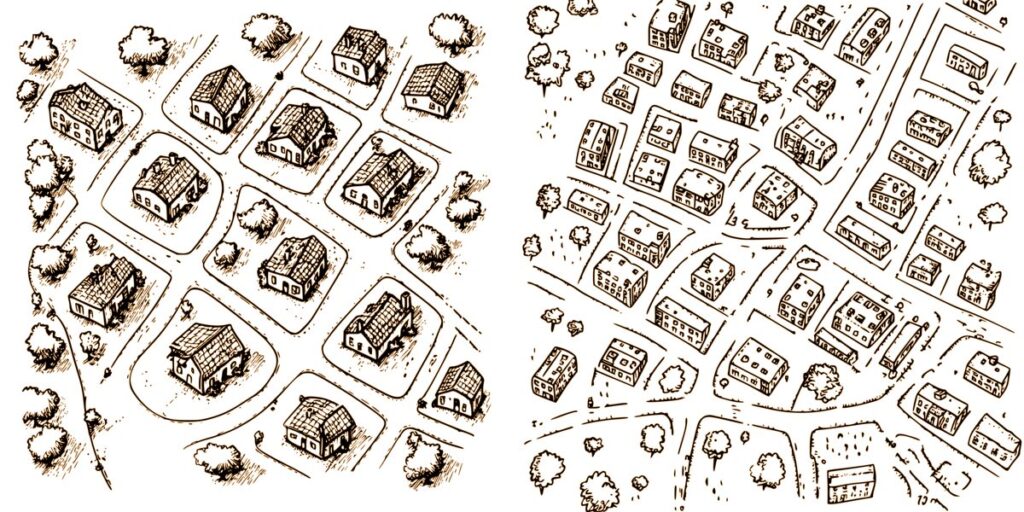
If you’ve ever wandered down the rustic, tree-lined avenues of Loomis, you may have heard locals speak fondly of Montserrat. More than just a neighborhood, Montserrat is a tapestry of history, beauty, and small-town charm woven into the very heart of Placer County. Let’s take a stroll back in time and discover the legacy that sets Montserrat apart—a place that feels as much like a promise as a home.
Roots: The Origins of Montserrat
The story of Montserrat begins at the turn of the 21st century, when Loomis was undergoing a quiet transformation from a sleepy agricultural outpost into one of Northern California’s most desirable places to live. The land that would become Montserrat, situated just off Sierra College Boulevard, was once a patchwork of family orchards—mainly plums, pears, and mandarins—nurtured by Loomis’ Mediterranean climate.
Local lore suggests that the name “Montserrat” was chosen as a tribute to the striking mountain range in Spain, with its unique jagged peaks and storied history. Developers envisioned the neighborhood as a sanctuary—a serene, elevated enclave reminiscent of Spain’s Montserrat: a place set apart, imbued with a sense of community, peace, and pride.
The Name Behind the Neighborhood
The decision to name this special enclave “Montserrat” was both poetic and purposeful. Spanish for “serrated mountain,” Montserrat is not only evocative of the rolling Sierra foothills but speaks to the neighborhood’s commitment to craftsmanship, natural beauty, and subtle elegance. Early planners adopted Mediterranean-inspired architectural themes—arched entryways, tile roofs, and stucco exteriors—giving Montserrat its timeless, sun-kissed character.
Key Milestones through the Years
Since its inception in the early 2000s, Montserrat has evolved with a careful blend of progress and preservation. Here are some pivotal moments and developments that have defined its journey:
- 2001-2003: Montserrat’s first model homes open along Montserrat Lane and La Circa Drive, quickly attracting families seeking both tranquility and convenience.
- 2005: The neighborhood association is founded, formalizing community events and initiatives, including the now-annual “Spring in Montserrat” garden walk.
- 2008: The completion of Montserrat Park, a beloved anchor along Colinas Avenue, featuring shaded play areas, walking paths, and native plant gardens.
- 2015: Residents rally to establish a community garden on Barcelona Circle, creating a shared space for sustainable growing and neighborly camaraderie.
Landmarks and Beloved Spaces
Part of Montserrat’s enduring charm comes from its attention to shared places—pockets of community where neighbors connect and collective memories are made. Among the most notable:
- Montserrat Park: At the heart of the neighborhood, the park is more than just swings and slides. It’s where summer concerts and farmers’ markets gather, and where the scent of citrus blossoms mingles with excited shouts of children.
- Bartholomew Oak: Standing sentinel at the northern edge of Montserrat Lane, this sprawling, centuries-old oak is a silent witness to the area’s transformation from farmland to flourishing neighborhood. Locals often bring picnics or paint easels to sit in its shade.
- The Montserrat Stone Pillars: Flanking the main entry, these pillars are constructed from locally quarried stone—each telling its own story of Loomis’ rugged landscape and miner heritage.
Streets with Stories
Every corner of Montserrat carries echoes of the past. Strolling down Tuscany Lane, you’ll catch glimpses of fountains inspired by Old World plazas, while the cul-de-sac of Via Roma lights up each December as residents host a beloved holiday luminaria walk. On El Camino Grande, the old irrigation ditch—originally carved for pear orchards—is now lined with native wildflowers, offering a living tribute to the area’s agricultural roots.
A Neighborhood Grown from Connection
What makes Montserrat truly shine isn’t just its architecture or landscaping, but its enduring sense of community. Longtime resident Maria Gutierrez recalls, “When my family moved here, neighbors showed up with homemade bread and stories about Loomis’ railroad days. Even now, I see that same spirit, whether we’re tackling a community cleanup or sharing tomatoes from our garden.”
Annual events—like the autumn block party or the summer outdoor movie night—draw residents from across Loomis, fostering connections that span generations. Many recall their children riding bikes to H. Clarke Powers Elementary just a mile down the road, or sharing lemonade under the shade of the old oak while waiting for the school bus.
Evolution: Yesterday, Today, and Tomorrow
While Montserrat has grown in size and diversity, it remains rooted in the values that shaped Loomis itself—neighborliness, respect for the land, and pride in heritage. Recent years have brought an influx of young families, as well as retirees looking for a gentler pace of life close to both nature and urban amenities.
Today, Montserrat is dotted with solar-paneled homes, pollinator-friendly gardens, and tree-shaded walking trails. Yet the echoes of its beginnings still ring clear—from the stone pillars at the entrance, to the gentle hum of community that animates every gathering.
Newcomers and old-timers alike cherish Montserrat’s rare combination of peaceful seclusion and vibrant community life. “Here, you know your neighbors, and your story is part of something bigger,” says longtime block captain Robert Ellis. “That’s what keeps people rooted—whether they’ve been here two years or twenty.”
Why Montserrat Still Matters
So whether you’re savoring quiet mornings beneath the Bartholomew Oak, exploring winding footpaths that once bordered orchards, or simply waving hello to neighbors on a breezy evening walk, Montserrat’s legacy endures—quietly, confidently—a lasting testament to Loomis’ small-town spirit and its commitment to preserving a cherished way of life.
After all, Montserrat isn’t just a place on a map. It’s Loomis’ living memory—a neighborhood where heritage is celebrated, and every day offers a new chapter in the story it continues to write.